
The Power of Orchards
For Biodiversity, Soil and Carbon
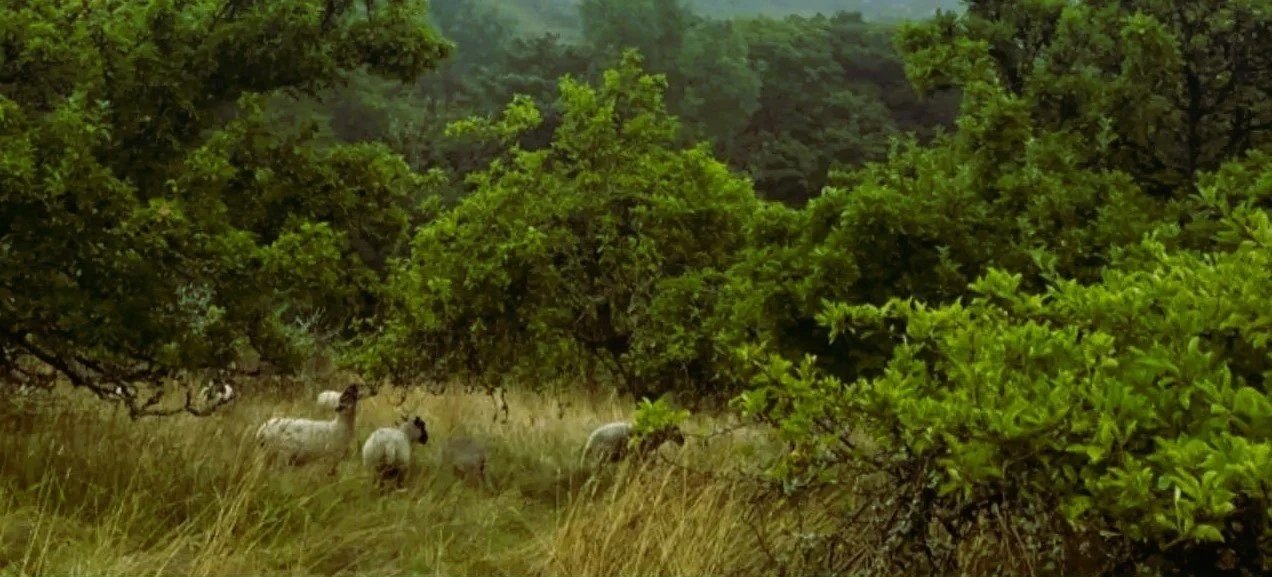
Orchards are incredible ecosystems. When managed without the use of chemicals and heavy machinery, they support a huge diversity of life - from birds and insects to mammals, fungi, and wild plants. Living trees, dead wood, hedgerows, pasture, and water sources all exist side by side, creating vital habitats for wildlife.
Sadly traditional orchards are now considered an endangered habitat in the UK, yet they remain one of the last strongholds for red-list species such as the lesser spotted woodpecker.
Orchards also play an important role in tackling climate change. Trees take in carbon dioxide for photosynthesis, storing it in their roots and in the surrounding soil. Unlike annual crops, apple trees are perennial - once planted, they can produce fruit for 100 years or more. That means no ploughing, no replanting, and no disruption to the soil’s carbon stores.
Because apple trees thrive in the UK climate, they don’t require chemical fertilisers, herbicides, or fungicides. This is in contrast to crops like vines, which often rely on treatments such as copper sulphate to survive in wetter conditions.
At Ripe, we work with nature rather than against it. We don’t use heavy machinery, and we manage our orchards by hand. The pasture beneath the trees is grazed by our flock of Shropshire sheep using a mob-grazing system — short, intensive grazing followed by long recovery periods. This encourages deeper root growth, healthier soil, and increased carbon sequestration.
More life in the soil means healthier trees
Healthier trees mean better fruit
And better fruit makes better cider